


Flowers On The Grass
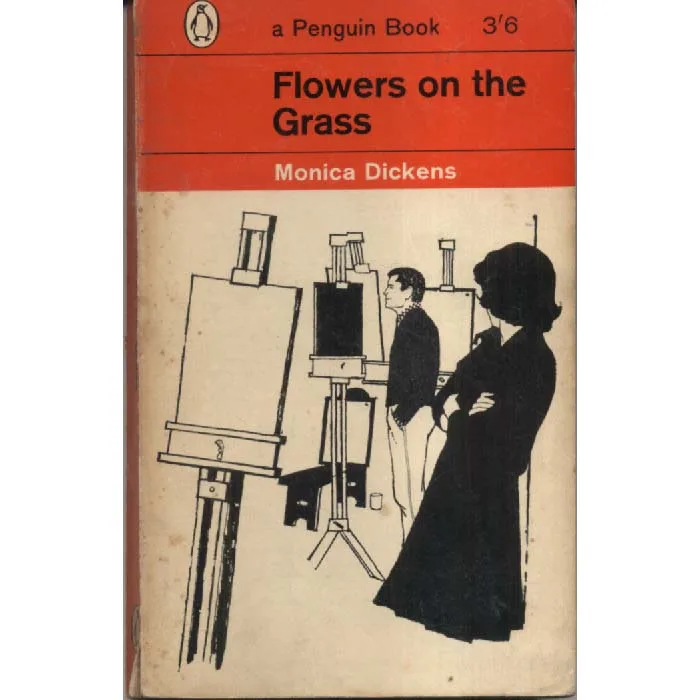
Publisher: Penguin Books
Format: Paperback
ISBN: none
Flowers on the Grass is one of those quietly brilliant Monica Dickens novels that appears, at first glance, to be perfectly gentle and respectable before gradually revealing itself to contain the full complicated machinery of human life: family tensions, emotional muddles, social awkwardness and the persistent British habit of pretending everything is fine while visibly unravelling over tea.
Published in this 1962 Penguin Books edition and now lovingly extracted from the paper strata of Crappy Old Books, this copy survives in Good condition. Which means it has almost certainly already lived several literary lives. One imagines it first purchased at a railway bookstall by somebody wearing sensible shoes and carrying sandwiches wrapped in greaseproof paper. Since then it has likely migrated through guest bedrooms, charity shops, inherited shelves and perhaps at least one cardboard box labelled “BOOKS SORT LATER.”
Monica Dickens had an extraordinary eye for ordinary people. While many writers chased glamour or existential despair, Dickens understood the deeper drama of everyday existence. Her characters worry, cope, misunderstand one another, attempt dignity and occasionally collapse under the sheer administrative burden of being alive. Which makes her work feel startlingly modern despite the teacups and post-war furnishings.
The title itself is gloriously poetic in that slightly melancholy mid-century way. Flowers on the Grass sounds either deeply symbolic or faintly like the name of a BBC drama serial people discussed in hushed tones after Sunday supper. There is something wistful about it. A sense that beauty exists, but so do laundry, disappointment and awkward relatives arriving unexpectedly.
This Penguin edition almost certainly possesses the full sensory pleasures of a proper vintage paperback. The pages may have aged into that familiar golden shade best described as “library caramel.” The spine perhaps leans gently from decades of honest reading. Somewhere inside there may be a forgotten bookmark, a pencilled name, or evidence that a previous owner became emotionally invested enough to fold corners despite knowing perfectly well they should not.
Good condition is genuinely impressive for a 1962 Penguin because these books were built for use, not display. They were stuffed into coat pockets, read on buses, balanced beside cups of tea and occasionally dropped into the bath by distracted readers. Penguins from this era possess a certain stoic resilience. Like retired civil servants or old Labradors, they simply continue.
What makes Monica Dickens especially rewarding now is the warmth beneath the irony. She notices people’s flaws mercilessly, but never cruelly. Her books are full of the small embarrassments and emotional evasions that make human beings recognisable. Reading her today feels like stepping into a Britain where people still wrote letters, apologised automatically when bumped into, and dealt with personal crises through brisk practicality and sponge cake.
There is also the pleasing irony that books once considered everyday middlebrow entertainment have become rich historical documents. Within these pages survive entire vanished worlds of domestic habits, social expectations and conversational rhythms. Modern readers often hunt desperately for “authenticity” while overlooking shelves full of novels like this quietly preserving it.
A warm, witty and wonderfully observant survivor from the golden age of British paperbacks, proudly rescued once more by Crappy Old Books. Perfect for readers who enjoy vintage Penguins, emotional realism, subtle comedy and the comforting knowledge that generations before us were also quietly exhausted by other people while trying very hard to remain polite about it.
Keep browsing: See more Crafts books Other books by Monica Dickens
